The most effective association boards do more than review what happened last year. They recognize what is changing across their industries and help position their organizations for what comes next.
Association directors are familiar with the three fiduciary duties that define board service: the duty of care, to make informed and prudent decisions; the duty of loyalty, to put the organization’s interests ahead of personal ones; and the duty of obedience, to keep the association true to its mission and the law.
These duties remain essential, but in a period of rapid change, across all industries, they are no longer sufficient on their own.
Boards today should also embrace a fourth obligation: a Duty of Foresight.
This is the responsibility to look beyond the current year, recognize what is emerging on the horizon, and ensure the organization adapts to meet the challenges specific to its industry.
The most effective association boards are not only reviewing what happened last year. They are helping to navigate and understand what is changing in the field and what the organization must do to remain relevant.
Make Looking Ahead a Standing Board Priority
The Duty of Foresight begins with making external awareness a standing part of the board’s work rather than an occasional agenda item.
Regulatory frameworks shift, technology changes how members work, workforce shortages reshape entire professions, and members bring expectations formed by experiences everywhere else in their lives.
Boards that regularly assess these forces build a shared understanding of where their field is heading.
A Practical Boardroom Approach
Begin Every Board Meeting With a Horizon Discussion
Dedicate 20 to 30 minutes to a single emerging trend, introduced by a practitioner, a member on the front lines, or an outside expert.
Close the discussion with one question:
What could this mean for our organization and the people we serve?
Placing this discussion first, before reports and routine business, signals that looking ahead is core board work, not something squeezed in if time allows.
Over time, these conversations give leaders a shared view of the landscape, let them debate responses from common assumptions, and give the staff a clearer mandate for where to focus.
Turn Foresight Into Strategic Decisions
Foresight only fulfills its purpose when it shapes decisions. What the board sees on the horizon should inform the strategic plan, the agenda, the programs the association invests in, and the way it defines member value.
Regulatory Change
A regulatory shift may call for a stronger policy voice and a reassessment of the association’s strategic priorities.
Workforce Disruption
A workforce change may point to new credentialing opportunities or initiatives that strengthen the industry’s talent pipeline.
Changing Member Expectations
Evolving expectations may require boards to rethink which programs and services continue to provide meaningful value.
Technology Transformation
Emerging technologies can change how members work and what they need from their professional or industry association.
In this sense, the Duty of Foresight extends the other three: care means making decisions informed by where the industry is going, and obedience to mission means ensuring that mission still matters to the field the association will serve tomorrow.
Agility Without Chasing Every Headline
Exercising foresight also requires discipline.
The board’s role is not to manage every response to every development, and a board that reacts to each new headline can pull an organization in too many directions at once.
Governance Built for Agility
The stronger posture is to set strategic direction, establish priorities, and hold leadership accountable for progress while trusting the staff to execute.
That depends on governance structures built for agility: clear decision rights, a focused set of strategic priorities, committees aligned to those priorities, and a cadence that allows the board to revisit assumptions without reopening every decision.
Foresight Is a Shared Leadership Responsibility
Associations that navigate change well share a common trait: their boards treat foresight as an obligation, not an afterthought, and they see the landscape together with executive leadership.
That partnership allows the organization to anticipate shifts rather than scramble to respond to them, and to make deliberate choices about where to lead, where to adapt, and what to leave behind.
For any board member asking whether their association is positioned for what is next, a useful starting question is simple:
Are we fulfilling our Duty of Foresight as seriously as we fulfill the other three?
About the Authors
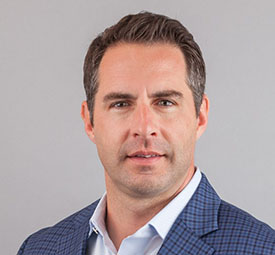
Craig Sondalle
Craig Sondalle is an accomplished association executive with more than 30 years of experience leading nonprofit and professional organizations, primarily in the healthcare sector. Having led and advised more than 50 associations, Craig brings extensive expertise in governance, strategic growth, financial stability, and organizational leadership.

Erin Berggren
Erin Berggren serves as Group Vice President at Kellen. In this leadership role, she supports association management and works with teams serving mission-driven organizations.